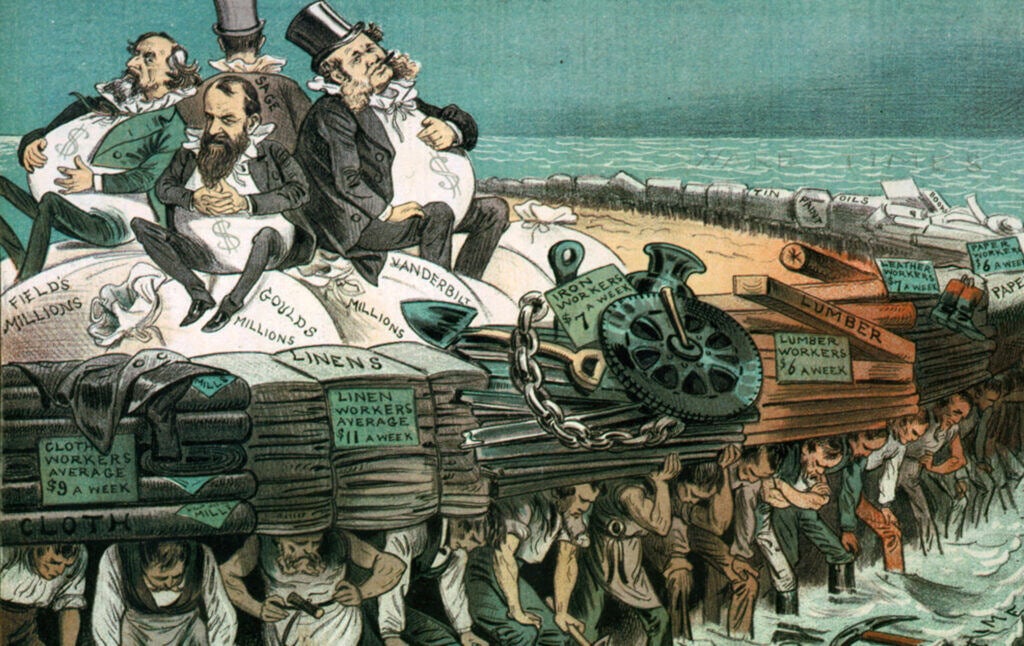
I have often pointed to capitalism as a product of the values inherent in the independent mindset. As such I have suggested that it should be replaced by a more socialistic system that encourages a more egalitarian distribution of wealth and power.
But a an article published in Psychology Today by Matt Fujimoto has me rethinking my position. Fujimoto makes the claim that it is not capitalism itself that is causing problems like extreme economic disparity, inequality of opportunity, greed, corporate influence over elected representatives, climate change, social injustice, etc. but our own priorities.
“Perhaps capitalism’s asymmetry lies less in its structure than in the psychology of the people within it.
Seen this way, capitalism may not be malfunctioning at all. Rather, it’s allocating not just money, but meaning. We choose prestige over pay, comfort over confrontation, and stability over fairness — and the system adjusts accordingly.
If the system mirrors [adjusts to] human desire, then it’s giving us exactly what we’re asking for.”
If Fujimoto is right we are not victims of capitalism. We are drivers of the system. It would seem that we are victims of our own ill-informed priorities.
However, it is my position that the fault lies not in ourselves but our conditioning which is a product of our independent worldview. The values inherent in this mindset drive our choices which, in turn, drive the economy. Perhaps capitalism itself simply reflects our own beliefs about the way things are.
As I have stated elsewhere our beliefs about the way things are and consequently our values are dependent on our worldview. The currently prevailing worldview is one in which the world is believed to consists of independent, separately existing things. In this worldview we are also separate, independent things.
Within this mindset of independently existing individuals we are not responsible for the lives of others or for the condition of the environment. The values inherent in this view include: exclusive ownership, resource stock piling, selfish competition, looking out for number one, exclusive in-groups, defended borders, personal status, and personal power.
The alternative to the independent worldview is the interdependent worldview. This mindset understands the world to consist of interdependent things. As interdependent beings humans cannot deny or avoid depending on other people, other things, and ultimately on the planetary ecosystem that sustains us all. The values inherent in this worldview include things like: sustainability, sharing of resources, use of renewable resources, personal responsibility, contribution, humility, cooperation, and compassion.
We have been raised to accept the selfish and shortsighted values of the independent worldview. This has led us to spend our time and money on the things valued within this mindset. The ever-adaptable capitalist monetary system has been shaped accordingly.
But what if we were to adopt the values of the interdependent worldview? What would capitalism look like then? I think it might actually be reshaped to deliver what the values of the interdependent worldview demand. More sustainable spending habits of consumers informed by an understanding of their interdependent nature could force the capitalist system to adapt to their priorities.
It is likely that some regulatory adjustments would be necessary to facilitate the transition to an economy based on interdependent values but nothing could be more powerful than consumer spending trends in pressuring the capitalist system to adjust to interdependent values and the worldview behind them.