

Culture is the milieu in which we live and breathe. As water is to fish it is the all but transparent environment that pervades nearly every aspect of our lives. Its influence on us is enormous but typically goes unnoticed. We are born into a culture and subconsciously absorb it beliefs. These unexamined beliefs become the guiding principles of our lives. But do they guide us to wellbeing or misery?
Looking at where cultural beliefs come from raises some concerns. Every culture passes its beliefs from generation to generation. This was not a problem in the past when the rate of change in the world was much more gradual than it is today.
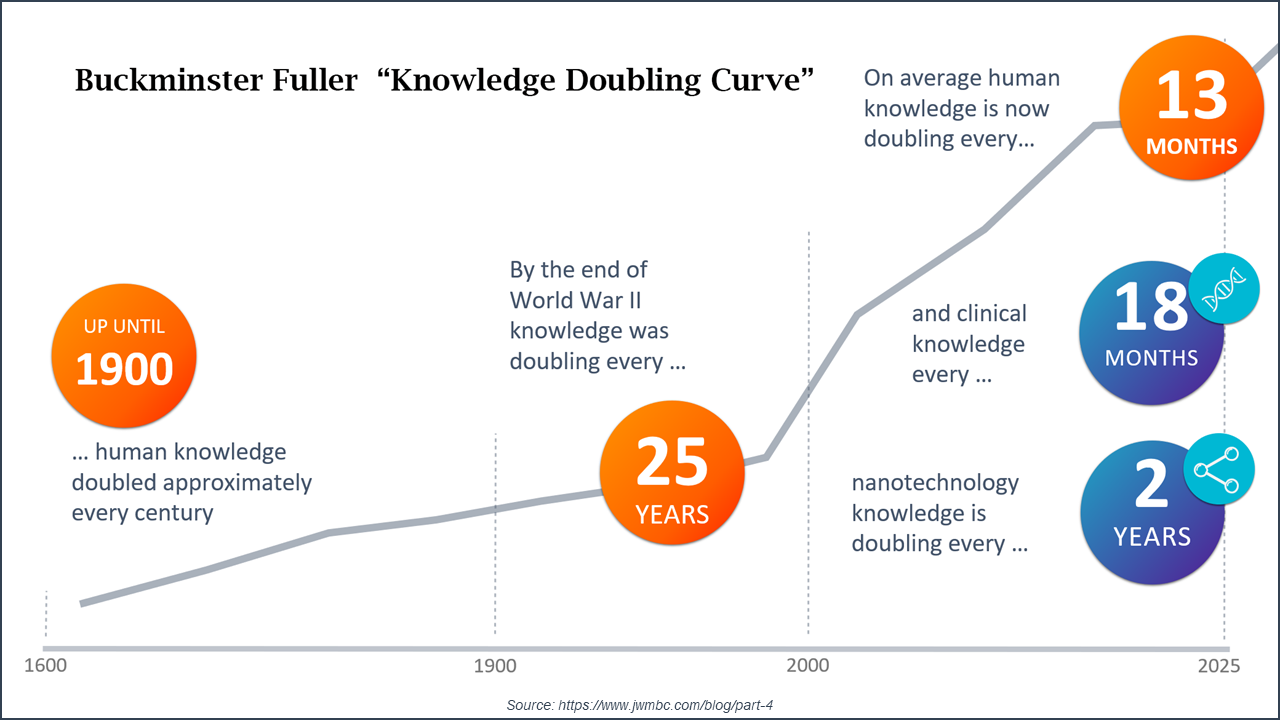
With the accelerated rate of change in today’s world ideas and beliefs from the past may not speak to modern conditions.
Couple this situation with the tsunami of misinformation and propoganda we are inundated with on a daily basis and it becomes increasingly difficult to know what to believe. Our shared cultural beliefs these days are not tested over time. Rather than well considered explanations they are now established the way fashions and trends come and go. Also technology has made it possible for the dispersal and promotion of untested ideas at unprecedented speed and reach.
Advertising has always been an obvious example of how marketers attempt to influence and shape our consumer behaviour, severely skewing our personal and collective values in the process. In recent years advertisers have made use of neuromarketing. This is the application of neuroscience and cognitive science to marketing, analyzing physiological and neural signals to understand consumer motivations, preferences, and unconscious decisions.
Politicians, governments, corporations, and other organizations often use neuromarketing and other propaganda tools to try to influence the public to favour their various agendas. As a result of all this targeted persuasion a population becomes culturally conditioned. Most often without consciously realizing that such a thing has taken place. They have been intentionally programmed to value and desire what the cultural manipulators want them to want. The motives behind this mass manipulation is most often more profits or support for the organizations involved. Needless to say the best interests and wellbeing of human beings, the targets of their efforts, seldom enter into it.
But what is even more poorly understood is that these cultural influencers are themselves victims of a deeper cultural campaign. The culture of a population is a consequence of the worldview or mindset of that population.
The worldview or mindset of a population is a set of beliefs about the nature of existence and our place in that reality. Unfortunately, the current worldview of western civilization is based on a faulty assumption about the nature of existence. It is this erroneous foundation underlying western civilization that is ultimately responsible for the toxic cultural conditioning we have acquired and by which we live our lives in unnecessary misery.
The cure then, is an awareness of the mistaken assumption at the heart of western civilization’s current worldview along with knowledge of a worldview based on a correct understanding of the nature of our existence.
The assumption behind our current view of reality is that it consists of separate, independent objects. People and things are thought to exist independently of each other. This view has led us to see everyone and everything that is not us as “other”. In looking out for ourselves we treat other people and things as disconnected objects. We think of nature and the environment as other. Under this view we have done great harm to each other and the environment. It is this view of separated people and things that allows and even promotes the kind of toxic cultural conditioning mentioned in this article.
The great pity is that scientists have known for about a century that phenomena do not and cannot exist independently. And yet we persist in operating as if they could and are. Why? The idea that phenomena can only exist as interdependent relationships is counterintuitive and not fully understood by the general public.
However, with the mounting evidence of environmental damage and climate change it is getting harder to maintain that what we do is not related to these effects. Environmentalists have been telling us for decades that organisms and their environments exist in complex webs of interdependent relationships. Not to mention the fact that it is obvious if you remove an organism from its niche in an ecosystem not only is the organism affected but so too is the environment from which it was removed. The evidence that things only exist interdependently is everywhere in nature. We can no longer claim, as the current outdated worldview would have it, that we exist apart from nature. We exist embedded in and inseparable from nature and as such only exist as interdependent beings.
As awareness of our interdependent nature spreads it tends to make us less susceptible to the mistaken beliefs propagated by the current worldview founded, as it is, on the mistaken assumption that things and people exist independently. The interdependent understanding of existence replaces outmoded cultural beliefs with the truth about the nature of existence and our place in it.
This is the way the world changes, one interdependent mind at a time.